Peptide Lab Test Outcomes
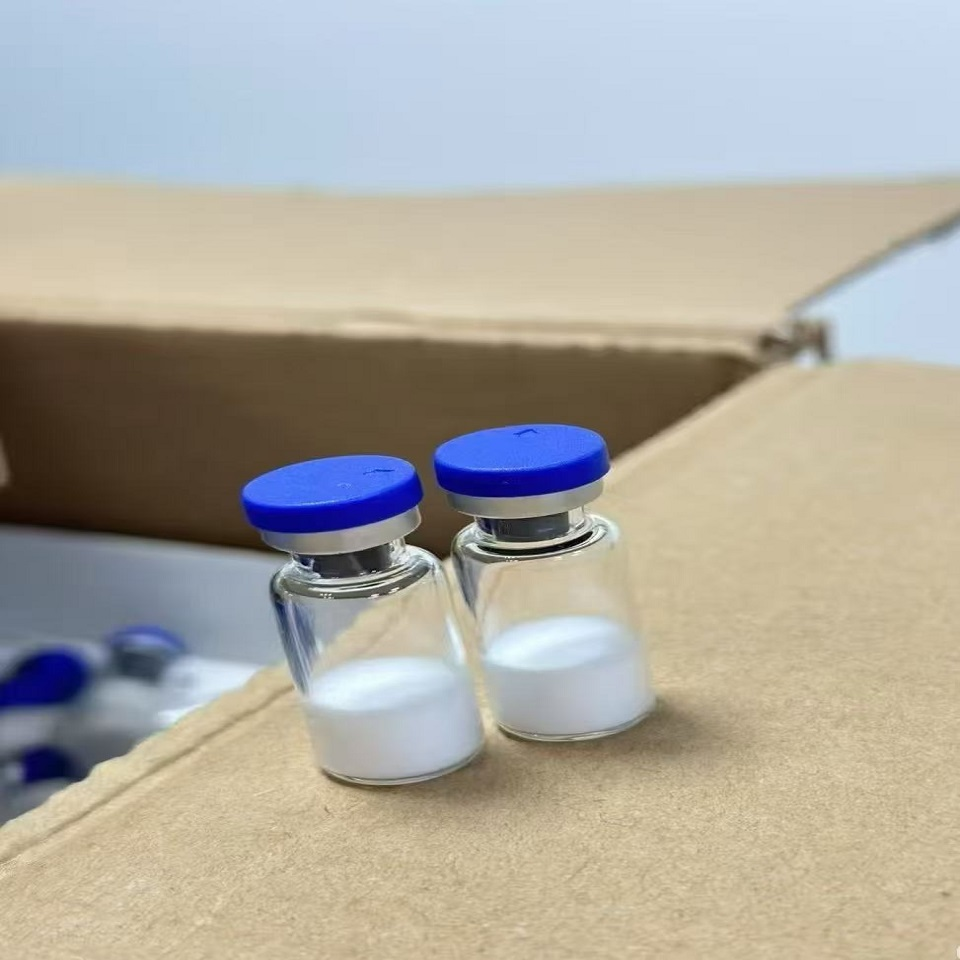
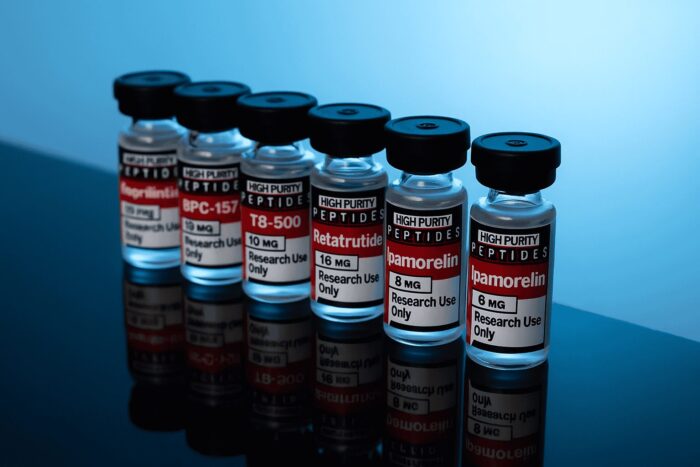
Peptide Pureness Guide 98%, 99% & Research-grade Discussed Prg Utilizing suppliers that employ cold-chain logistics and vacuum-sealed packaging is necessary for avoiding the deterioration of delicate series. In addition, examining the mass research study peptides market needs an equilibrium in between cost-efficiency and the guarantee of batch-to-batch uniformity. Independent confirmation continues to be one of the most efficient method to ensure that the chemical identification matches the supplied documents.
- Peptide testing is the logical process utilized to validate that a research study peptide is both pure and properly recognized.
- This is particularly pertinent for injectable peptides where the administration course bypasses typical protective barriers.
- Offered the appeal of substances talked about in resources like the semaglutide versus tirzepatide contrast, confirmation makes certain research with the intended substance.
- When a peptide is 98% pure, that remaining 2% isn't arbitrary noise-- it's specific, recognizable kinds of by-products.
- HPLC separates the target peptide from pollutants, measuring purity.
Approach Transfer & Recognition Alternatives
Numerous independent labs offer peptide screening services. Recognizing their staminas, restrictions, and credibilities helps you choose proper confirmation sources. Amino acid evaluation determines net peptide web content by breaking down the peptide and determining the real amino acid material. This offers the most exact basis for application computations. For scientists following particular peptide dosage graphes, HPLC purity directly impacts actual dosing. A peptide classified 10mg however just 90% pure includes only 9mg of active substance. These logical methods are typical in peptide quality assurance and you will certainly almost always receive HPLC and MS information with a research peptide order. The key analytical methods for peptides consist of liquid chromatography (LC), typically HPLC, incorporated with mass spectrometry (MS) for accurate molecular weight resolution and series recognition. Various other strategies like electrophoresis, capillary electrophoresis (CE), and nuclear magnetic vibration (NMR) can additionally be used to assess peptide framework, fee, and purity, making sure extensive characterization. Peptides are checked with a mix of methods, including HPLC for purity, mass spectrometry (MS) for sequence verification, and nuclear magnetic resonance (NMR) for structural analysis. It divides the target peptide from peptide-related contaminations (deletion series, truncated fragments, and synthesis byproducts). Retention time is the elapsed time from injection to the minute a compound's optimal maximum is discovered. It is particular of a substance under specific chromatographic conditions (same column, exact same slope, exact same temperature). Regular retention time across sets supplies self-confidence that the same compound is being provided. If a supplier's lot-to-lot COAs reveal meaningfully various retention times for the very same compound, this suggests either a modification in substance or an adjustment in chromatographic problems-- both of which are worthy of analysis. Comprehending what peptides are is foundational understanding, but understanding just how to confirm their quality is what separates effective scientists from those that struggle with irregular outcomes. Mass spectrometry (MS) is used to verify the specific molecular weight and molecular identification of the compound, confirming the appropriate amino acid series and dismissing replacement or architectural inconsistencies. Utilizing mass spectrometry, we validate the molecular framework and amino acid series. This is the only method to ensure that the substance has the correct organic task and is specifically what it asserts to be. The software draws limits around each optimal and calculates the area below.Is 95% purity helpful for peptides?
Peptides with an 85% pureness degree or higher are typically used in enzyme assays or organic task research studies. Peptides with pureness more than 95% are exceptional for measurable evaluation.